City Guide
England's Finest Medieval City
Norwich at a Glance
Norwich is one of England's most complete medieval cities and the county town of Norfolk. With a population of around 210,000, it's large enough to offer genuine cultural depth — theatres, galleries, independent shops, and serious restaurants — yet compact enough to explore on foot in a day.
The city holds England's first UNESCO City of Literature designation, has more medieval churches than any city in England north of the Thames, and retains large sections of its medieval city walls. The market, which has traded continuously since the 11th century, is one of the largest and oldest in the country.
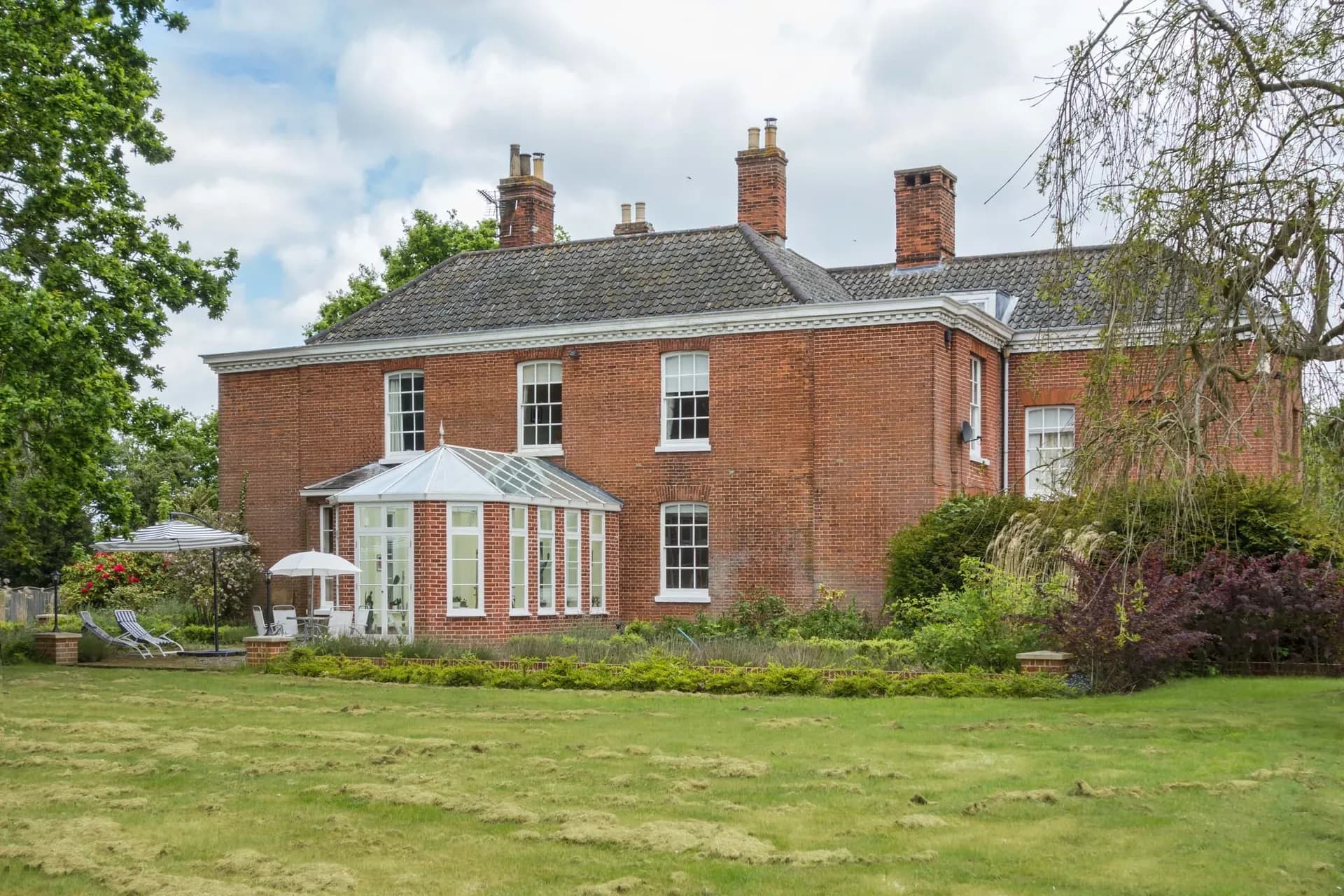
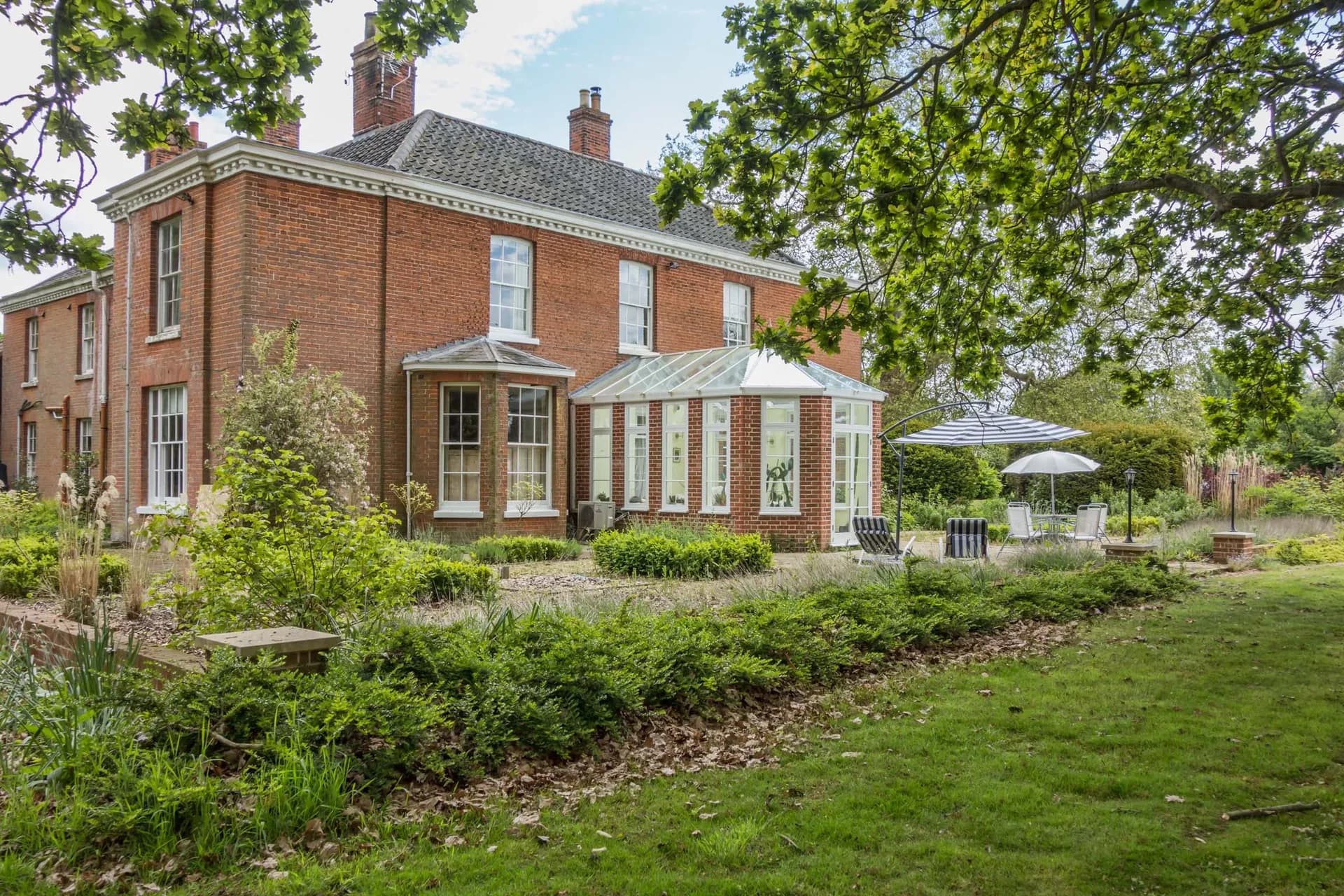
Lingwood Hall sits just six miles from the city centre. The drive takes around fifteen minutes, and Lingwood train station — less than a mile from the Hall — has direct services to Norwich that take eleven minutes. This makes Norwich an easy evening destination as well as a full day out.
Norwich Cathedral & the Close
Norwich Cathedral is a masterpiece of Romanesque architecture, founded in 1096 and largely complete by the 12th century. The nave is immense and the vaulted ceiling — added in the 15th century — features over a thousand carved and painted roof bosses depicting biblical scenes. The spire, at 96 metres, is the second tallest in England after Salisbury.
The Cathedral Close is the largest in England and worth exploring in its own right. Pull's Ferry, a 15th-century watergate on the River Wensum at the bottom of the Close, is one of the most photographed buildings in Norfolk. The playing fields and quiet paths within the Close are a peaceful retreat from the city.
Admission to the Cathedral is free, with a suggested donation. The refectory café, set in the medieval cloisters, serves good lunches and is a beautiful place to sit.
Norwich Castle & Museum
Norwich Castle sits on a mound in the centre of the city and is visible from almost everywhere. Originally built by William the Conqueror, the Norman keep was refaced in Bath stone in the 1830s and now houses the Castle Museum — one of the best regional museums in England.
The collections span natural history, archaeology, and fine art. The Norwich School of painters — a group of landscape artists who worked in the early 19th century — are well represented, and the gallery of paintings by John Sell Cotman is outstanding. The museum also holds Viking artefacts, an Ancient Egyptian mummy, and an excellent gallery on the natural history of Norfolk.
Recent restoration work has opened up the keep's interior, including the medieval battlements which offer panoramic views across the city and beyond. Allow at least two hours for a proper visit.
Elm Hill & the Norwich Lanes
Elm Hill is the most celebrated street in Norwich — a steep, cobbled lane lined with timber-framed buildings dating from the 15th and 16th centuries. It survived demolition proposals in the 1920s and is now beautifully preserved, home to antique shops, a tearoom, and the Britons Arms — one of the oldest domestic buildings in the city.
The Norwich Lanes radiate outward from the market and castle, forming a maze of narrow medieval streets packed with independent shops, galleries, cafés, and restaurants. This is where Norwich's independent character is most visible — you'll find vinyl record shops, artisan bakeries, vintage clothing stores, and specialist bookshops side by side.
The Royal Arcade, linking Gentleman's Walk to Back of the Inns, is a stunning piece of Art Nouveau architecture designed in 1899 and worth visiting for the building alone. It houses several independent shops and leads into one of the most attractive parts of the Lanes.
The Market & Food Scene
Norwich Market has been trading on the same site since Norman times. Today it has over 180 stalls spread across the centre of the city beneath a canopy of colourful striped awnings. You'll find fresh produce, flowers, local cheeses, and a wide range of street food — from Norfolk-reared hog roast to Thai curries, wood-fired pizza, and Ethiopian injera.
The city's food scene extends well beyond the market. The Assembly House on Theatre Street serves afternoon tea in elegant Georgian rooms. Benedicts, a small restaurant in a converted shop on St Benedicts Street, holds a Michelin star and serves a tasting menu rooted in Norfolk ingredients.
For something more casual, the Grosvenor Fish Bar has been serving some of the best fish and chips in the region since 1928. The Adam and Eve, tucked away off Bishopgate, claims to be the oldest pub in Norwich — it's been serving beer since at least 1249.
Along the River Wensum
The River Wensum winds through the centre of Norwich, and the Riverside Walk follows it for several miles through parks, past medieval towers, and under historic bridges. It's a green corridor through the heart of the city and a lovely way to spend an hour.
Starting from the Cathedral Close, you can walk downstream past Pull's Ferry, the 14th-century Cow Tower — a defensive artillery tower on the river — and Bishop Bridge, one of the oldest bridges in England still carrying traffic. Continue downstream towards Whitlingham Country Park for longer walks along the river.
The Plantation Garden, a hidden Victorian garden tucked behind a terrace on Earlham Road, is a wonderful discovery. Created in the 1850s in a former chalk quarry, it features a Gothic fountain, Italianate terrace, and woodland walks — all maintained by volunteers.
Art & Culture
The Sainsbury Centre for Visual Arts sits on the campus of the University of East Anglia, a twenty-minute drive or bus ride from the city centre. Housed in Norman Foster's earliest major building — a landmark of High-Tech architecture — the collection spans Henry Moore, Francis Bacon, Giacometti, and a superb range of African, Pacific, and Asian art. Admission is free.
Theatre Royal Norwich is the city's main receiving theatre, hosting touring productions of West End shows, ballet, and opera. The Norwich Playhouse, in a converted maltings, programmes comedy, music, and smaller-scale drama. Norwich Arts Centre, in a converted medieval church on St Benedicts Street, hosts live music and art exhibitions.
For books, the city is a paradise. The Book Hive on London Street is regularly voted one of the best independent bookshops in England. Jarrold, a department store that has traded in Norwich since 1770, has an excellent book department spanning two floors.
Getting to Norwich from Lingwood Hall
By car, the drive from Lingwood Hall to Norwich city centre takes approximately fifteen minutes via the A47. The city has several park-and-ride services on its outskirts, or you can park at one of the city centre car parks — the Castle Quarter and Chapelfield are both central.
By train, services run roughly hourly from Lingwood station (0.7 miles from the Hall) to Norwich, taking just eleven minutes. Norwich station is a ten-minute walk from the castle and market. This makes the train a genuinely practical option, especially if you plan to enjoy a drink with dinner.
If you'd prefer to combine city and countryside, the Wherryman's Way footpath follows the River Yare from Lingwood towards Norwich — though the full walking route is around 12 miles, so most guests prefer the train for the outward journey.
Norwich from Lingwood Hall
Stay Close to Norwich
Stay at Lingwood Hall
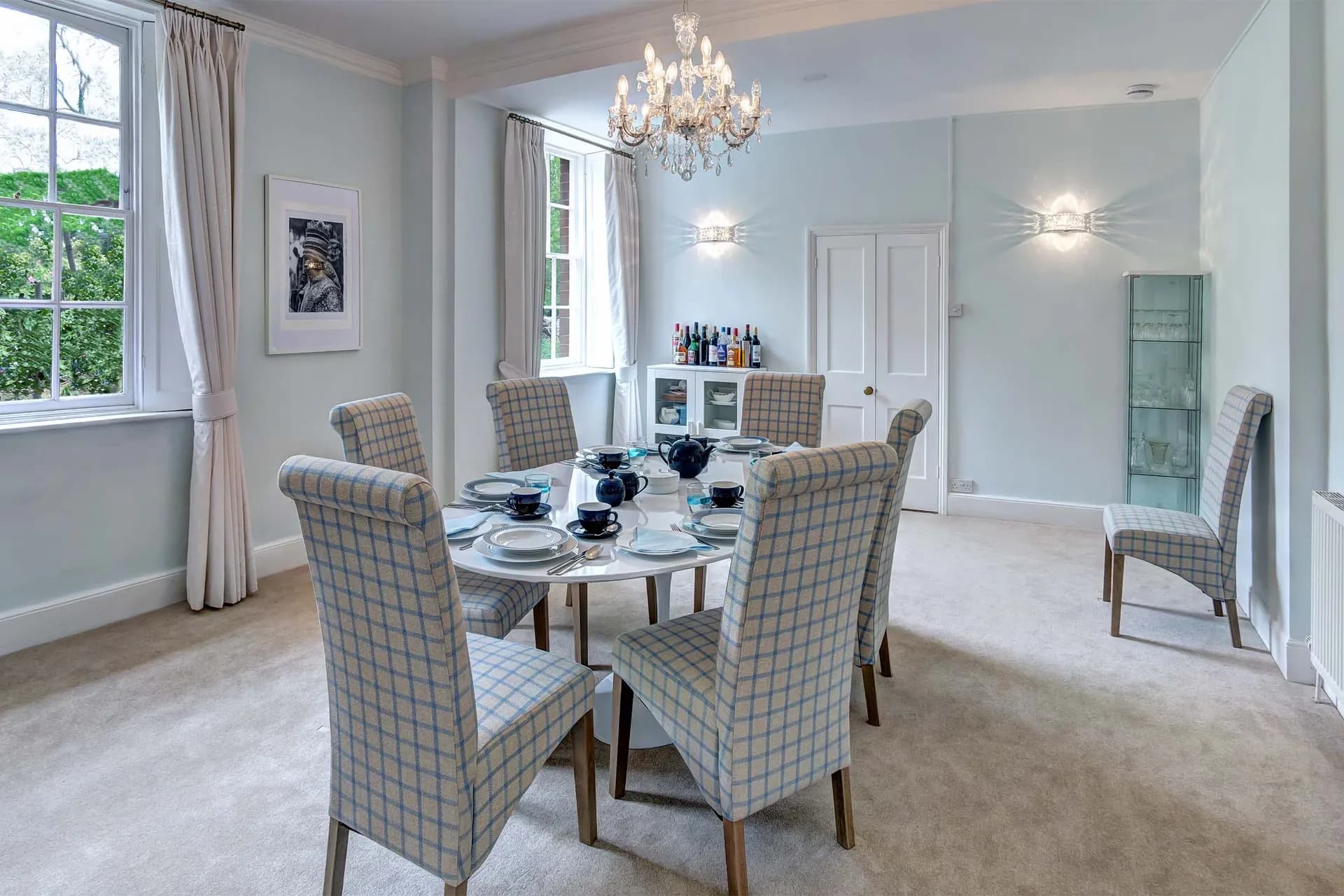
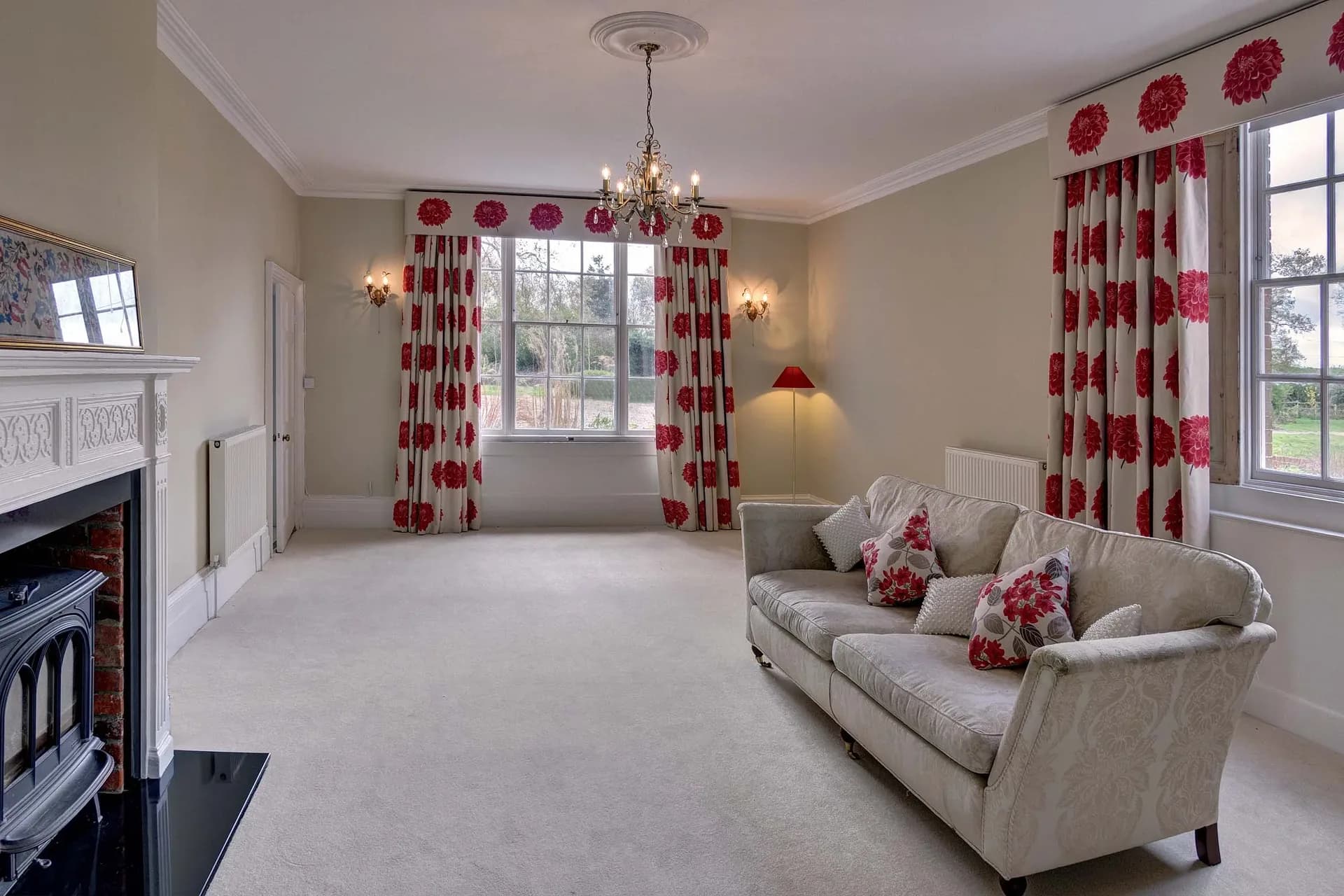
Six miles from the city centre and eleven minutes by train. Georgian character, four acres of parkland, and rooms from £35 per night.
← Back to all guides