Wildlife & Nature
A Seasonal Guide
Why the Broads for Birdwatching?
The Norfolk Broads is one of the finest birdwatching areas in Britain. Over 300 species have been recorded across the network of rivers, reedbeds, wet meadows, and grazing marshes that make up this unique landscape. Several species that are scarce or absent elsewhere in England breed here in healthy numbers.
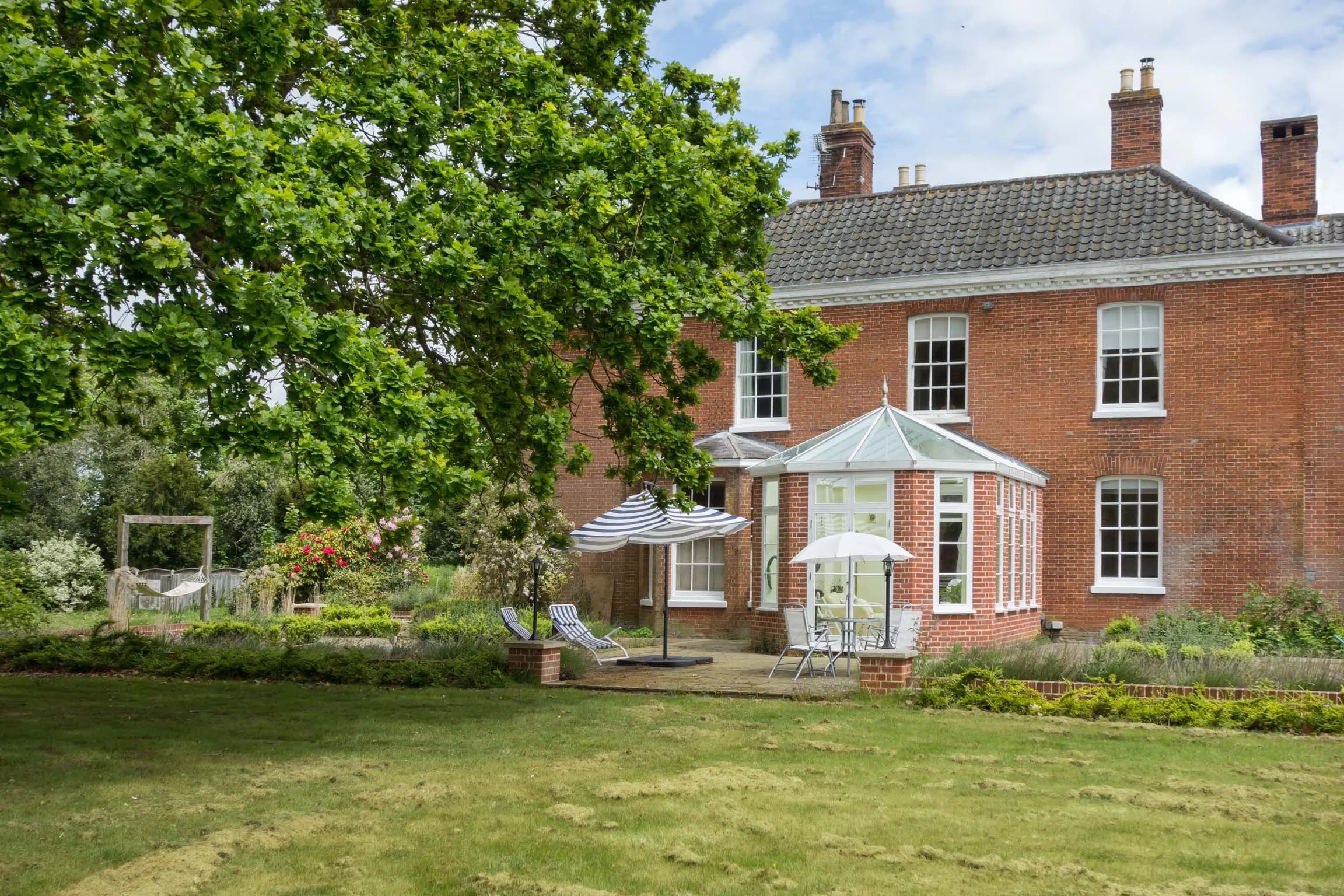
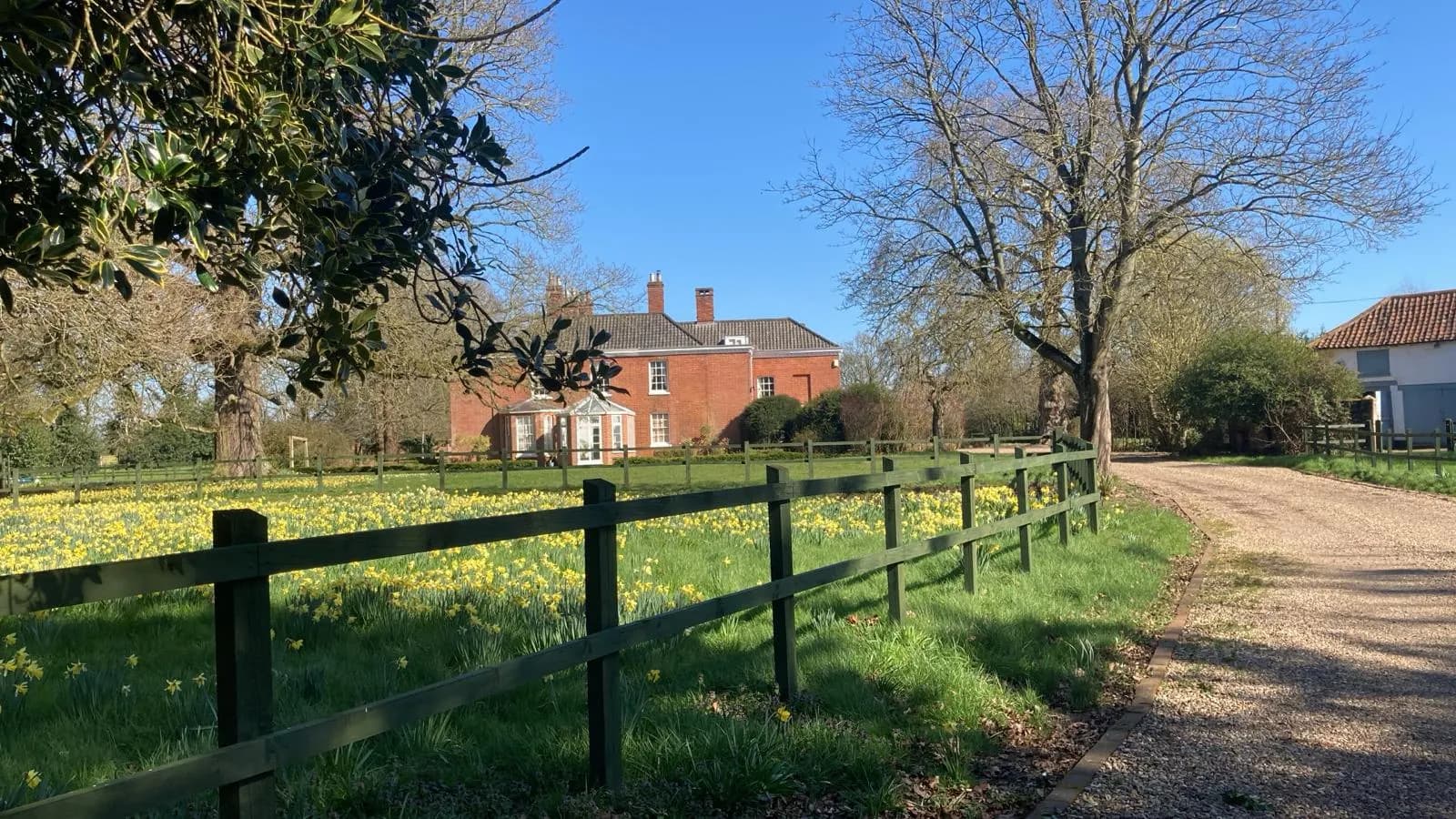
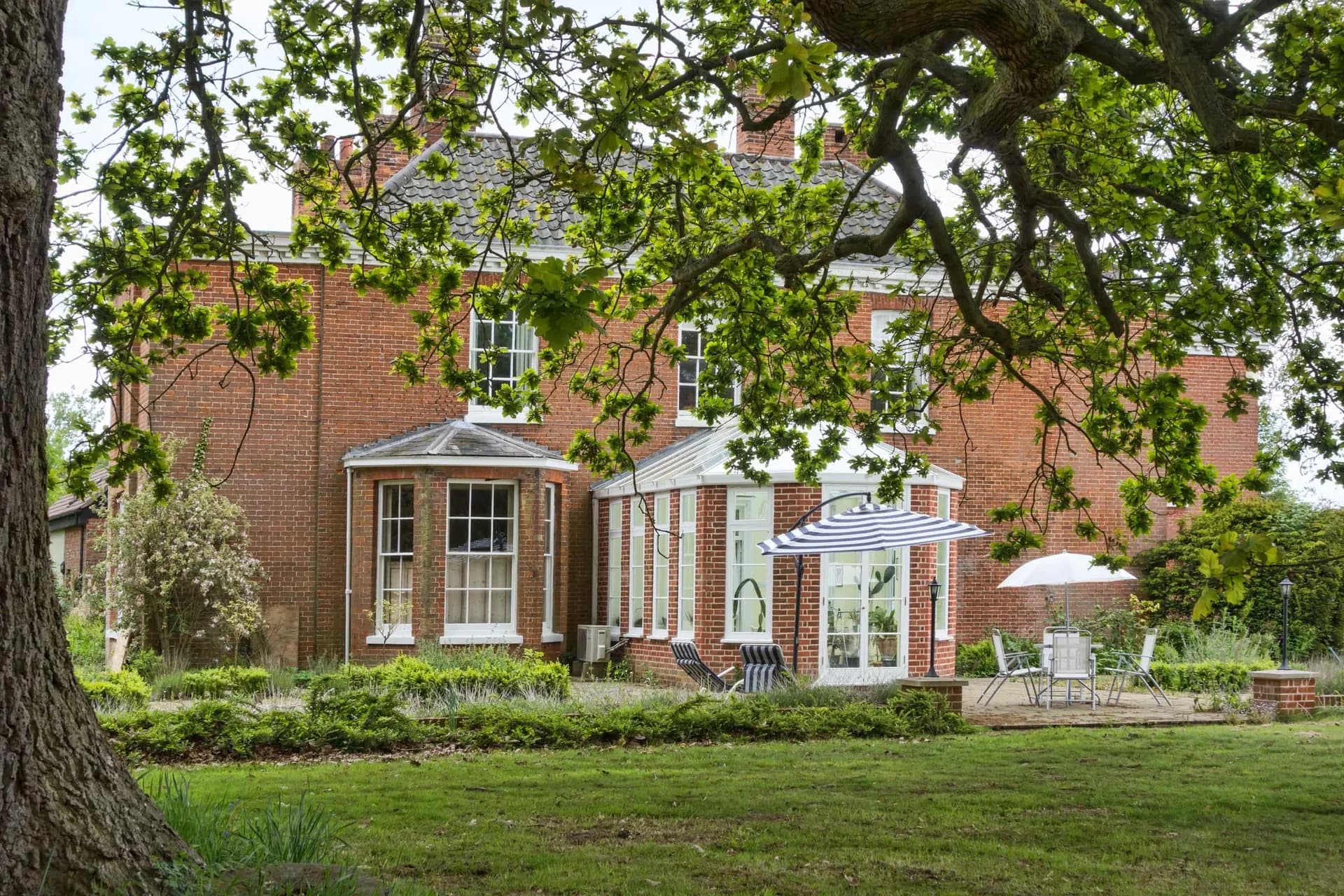
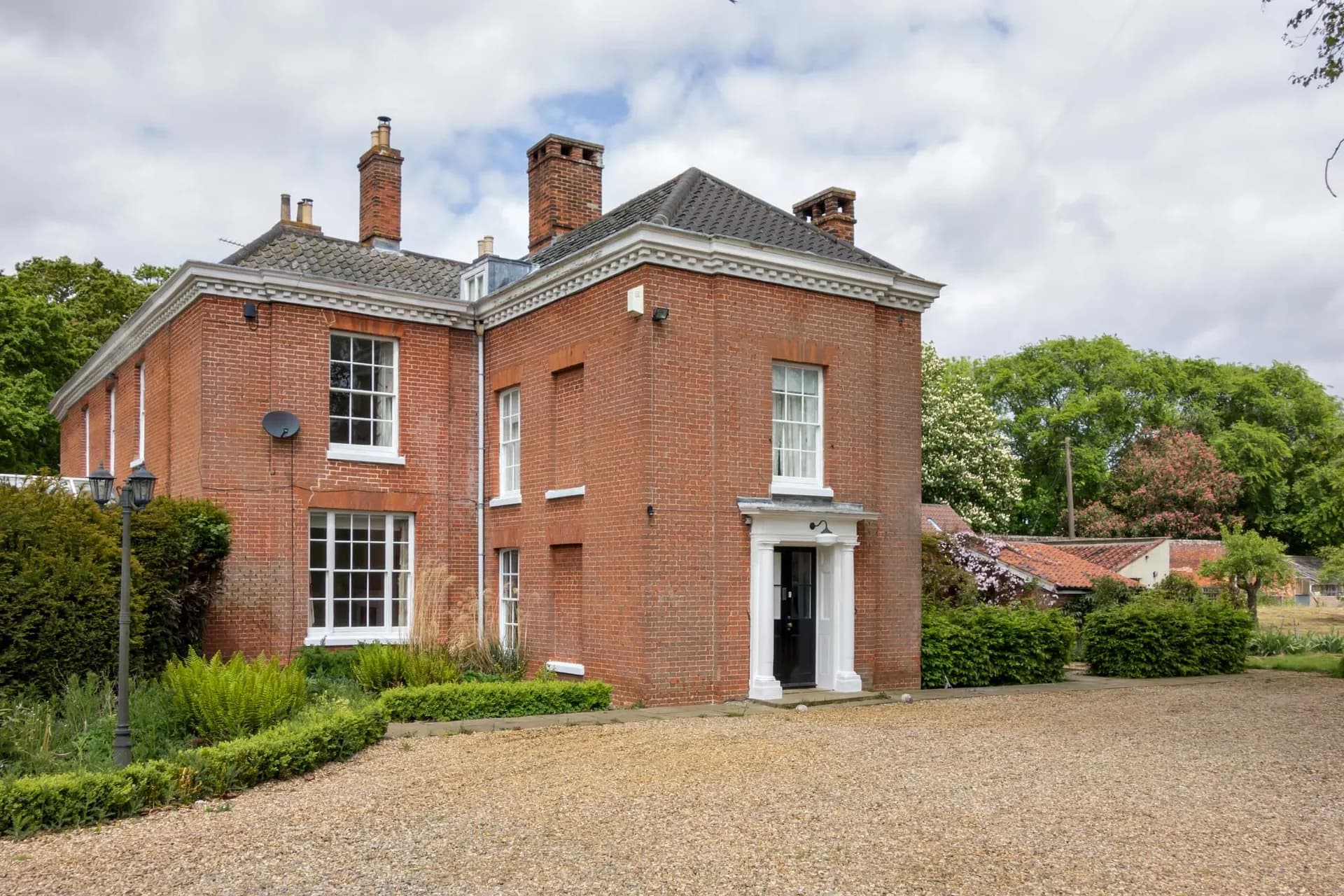
Lingwood Hall sits on the southern edge of the Broads, just two miles from RSPB Strumpshaw Fen — one of the most important nature reserves in East Anglia. This proximity makes the Hall an exceptional base for birdwatching throughout the year, with world-class reserves accessible within minutes.
The Broads support a remarkable diversity of habitats in a compact area. Within a half-hour drive of Lingwood you can visit reed-fringed broads, open grazing marshes, tidal estuaries, and ancient broadleaved woodland — each with its own characteristic bird communities.
RSPB Strumpshaw Fen
Strumpshaw Fen is the jewel in the crown for birdwatchers staying at Lingwood Hall. This 189-hectare RSPB reserve lies along the south bank of the River Yare, just a five-minute drive or a pleasant two-mile walk from the Hall.
The reserve is best known for its breeding marsh harriers — the elegant raptors can be seen quartering the reedbeds from spring through autumn, and their dramatic sky-dancing courtship display in April and May is one of the great wildlife spectacles in Norfolk. Bitterns breed here too; listen for the extraordinary booming call that carries across the fen from February to June.
Three waymarked trails explore different parts of the reserve. The Fen Trail (3.8 km) passes through reedbeds and alongside pools, with a tower hide offering panoramic views. The Woodland Trail (1.8 km) winds through broadleaved woodland rich in woodpeckers, treecreepers, and nuthatches. The shorter Meadow Trail is open in spring and summer and is the best place to look for swallowtail butterflies — Britain's largest and rarest butterfly, found only in the Broads.
The reception hide near the car park overlooks a pool that attracts a good range of wildfowl and waders year-round. Kingfishers are regularly seen from here, perching on the posts opposite the hide. Entry is free for RSPB members; a small charge applies for non-members.
Spring & Summer — March to August
Spring arrives early on the Broads. By March, marsh harriers are displaying over the reedbeds, avocets are arriving on the coastal marshes, and the first warblers — chiffchaffs and blackcaps — are singing from the hedgerows. Sand martins return from Africa to nest in the river banks.
April and May bring the main wave of summer migrants. Reed warblers, sedge warblers, and grasshopper warblers set up territories in the reedbeds — the grasshopper warbler's mechanical, insect-like song is heard at dawn and dusk. Cuckoos call from the treetops, and hobbies arrive to hawk for dragonflies over the fen.
Barn owls are a regular sight around the Broads throughout summer, hunting over the meadows and marshes in the long evening light. The quiet lanes around Lingwood are particularly good — drive slowly at dusk and you have a reasonable chance of seeing one quartering the field edges.
From mid-May to mid-July, the swallowtail butterfly is on the wing. Strumpshaw Fen and Hickling Broad are the most reliable sites. The butterfly is large and unmistakable — pale yellow with bold black markings and a distinctive tail on the hindwing.
Autumn & Winter — September to February
Autumn migration brings passage waders and wildfowl to the Broads. The grazing marshes at Buckenham and Cantley, just south of Lingwood, host growing numbers of wigeon, teal, and lapwing from September onwards. By November, thousands of wigeon graze the marshes, and the flocks of golden plover wheeling overhead are a memorable sight.
Buckenham Marshes — adjacent to Strumpshaw Fen and accessible from the same car park — is one of the most important sites in the country for wintering bean geese. These scarce, elegant geese arrive from Scandinavia in November and can be seen feeding on the marshes through to February. The flock typically numbers 200–400 birds, and this is the only regular wintering site in England.
Birds of prey are a particular highlight in winter. Hen harriers and merlins join the resident marsh harriers, peregrine falcons hunt along the river, and short-eared owls can sometimes be seen quartering the marshes alongside barn owls. Kestrels hover over the field edges year-round.
Starling murmurations form over the reedbeds at Strumpshaw from November through January, with huge swirling flocks gathering at dusk before dropping into the reeds to roost. The display is one of the great free wildlife shows in Norfolk.
Other Reserves Within Reach
Hickling Broad, in the northern Broads, is the largest of the Norfolk broads and a National Nature Reserve. It's one of the best places in the country to see cranes — a small breeding population has become established in recent years. Winter brings hen harriers, bitterns, and large numbers of wildfowl. It's about 30 minutes from Lingwood.
Surlingham Church Marsh, managed by the Norfolk Wildlife Trust, sits on the River Yare between Lingwood and Norwich. It's a peaceful reserve with a short circular walk through wet woodland and along the river. Chinese water deer are regularly seen, and kingfishers hunt along the river bank.
NWT Ranworth Broad has a floating visitor centre — the Broads Wildlife Centre — moored on the broad, giving views across the water to the surrounding reedbeds. Great crested grebes, cormorants, and grey herons are always present, and ospreys pass through on migration in spring and autumn.
For coastal birdwatching, Titchwell RSPB on the north Norfolk coast (about an hour from Lingwood) is outstanding. Avocets breed on the lagoons, bitterns boom from the reedbeds, and autumn migration brings a steady stream of waders and seabirds. Cley Marshes, a few miles east, is equally rewarding.
Practical Information
Binoculars are essential. If you don't own a pair, Strumpshaw Fen occasionally has binoculars available to borrow from the reception hide. A telescope is useful for scanning the marshes in winter but not necessary for most visits.
Early morning and late afternoon are generally the most productive times for birdwatching. Dawn at Strumpshaw Fen in May — with bitterns booming, marsh harriers hunting, and warblers singing from every reedbed — is genuinely world-class.
Dogs are not permitted on nature reserve trails (except assistance dogs). If you're travelling with dogs, the Wherryman's Way footpath along the river offers excellent birdwatching and is dog-friendly on a lead.
The Norfolk and Norwich Naturalists' Society and the Norfolk Bird Club are excellent resources for current sightings. Local bird reports are posted regularly online and will help you find anything unusual that may have turned up during your stay.
Reserves Near Lingwood Hall
Your Base on the Broads
Stay at Lingwood Hall
Two miles from Strumpshaw Fen, surrounded by four acres of parkland with its own birdlife. The perfect base for a Norfolk birdwatching break. From £35 per night.
← Back to all guides